Medium
Beast
CR 2
unaligned
Myrmothria
Arcane-Drawn Swarm
A seething cloud of pale-winged moths that flutters with a faint violet afterglow, Myrmothria are irresistibly drawn to ambient magic. They do not simply bite — they carpet the air with fine, glittering scales and dust that dull spells, cling to robes and skin, and seek out the humming core of arcane power. In combat they swarm like a wind-driven curtain, battering casters and disrupting the flow of magic until their quarry is robbed of focus or forced to flee.
Armour
14
natural armor
Hit points
55
10d8+10
Speed
20ft
20 ft., fly 40 ft.
Challenge
2
450 XP
STR
6
-2
DEX
16
+3
CON
12
+1
INT
6
-2
WIS
12
+1
CHA
7
-2
Saving throws
DEX +5
Skills
Stealth +5
Resistances
bludgeoning, piercing, slashing from nonmagical attacks
Condition immunities
prone
Senses
darkvision 60 ft., passive Perception 11
Languages
understands Common but can't speak
Multiattack. The Myrmothria makes two Scale attacks.
Scale. Melee Weapon Attack: +5 to hit, reach 5 ft., one target. Hit: 9 (2d6+3) slashing damage, and the target must succeed on a DC 11 Constitution saving throw or have disadvantage on concentration checks until the end of its next turn as clinging scales irritate and dull arcane focus.
Magic Lure (Recharge 5-6). The Myrmothria lashes out in a burst of glittering dust toward the nearest spell or magical item it can perceive within 60 feet. Each creature within a 10-foot radius of the burst must make a DC 11 Wisdom saving throw. On a failed save, a creature is dazzled (disadvantage on attack rolls and ability checks that rely on sight) and has disadvantage on the next saving throw it makes to maintain concentration on a spell. The dazzled condition lasts until the end of the Myrmothria's next turn.
Drawn Step. When a creature casts a spell within 60 feet of the Myrmothria, it can use its reaction to move up to half its fly speed toward the caster without provoking opportunity attacks.
Myrmothria are believed to have arisen in places where wild magic bled into the world — places of old rituals, rifted ley lines, or rune-strewn battlegrounds. Folk tales from the river-wardens of Thalven claim the first myrmothria hatched from the husks of warding sigils struck by lightning. Scholars disagree: the mage Harvent Renik of the Ivory Collegium argues they are a faunal response to arcane pollution, insects whose life cycle adapted to feed on ambient mana rather than nectar. These swarms make lairs in abandoned shrines, catacombs around ruined towers, and the warm crevices of ancient obelisks. They are migratory when magic pulses strongly — entire roosts will shift hundreds of leagues following ley currents. The token-and-true hunters of them are the Order of Pale Threads, a guild of linen-clad wardens who harvest their scales for ritual components. Encounters are common around the ruined observatory at Aurel's Spire, where the chronicler Kes Mirelle recorded a tale of a novice who drew a myrmothria into a lecture hall by miscasting a conjuration, turning the entire audience into a coughing, magic-blinded mess.
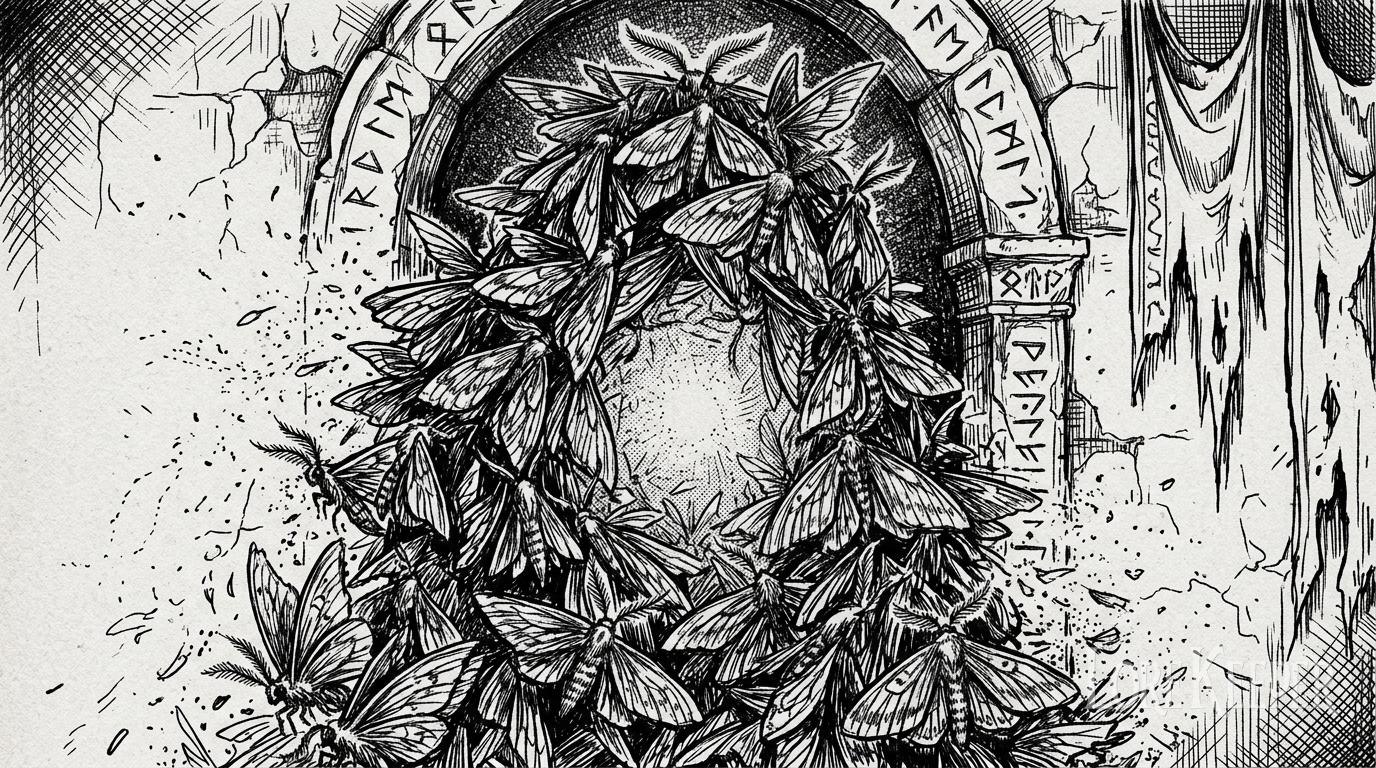
A Myrmothria swarm looks like a rolling, semi-coherent cloud of moths, roughly the size of a man when gathered. Individual moths are pocket-sized with translucent wings veined in iridescent silver; when many wings beat together they create an opalescent shimmer and fall of powdered scales. The core of the swarm often glows faint purple where the moths cluster around a magical source. Artists should show many overlapping wing shapes, soft feathery bodies, and a dense central mass with thinner fringes. Scale: the whole swarm should be shown filling a doorway (approx. 7 feet tall) with individual moths about 2–3 inches across. Textures: crosshatched wing membranes, stippled dust cloud, and tiny barbed scales visible at the swarm's edges.
Made with the free LoreKeeper Monster Generator · D&D 5e-compatible stat block · Free to use at your table · Licence
More Beasts
Furrowram
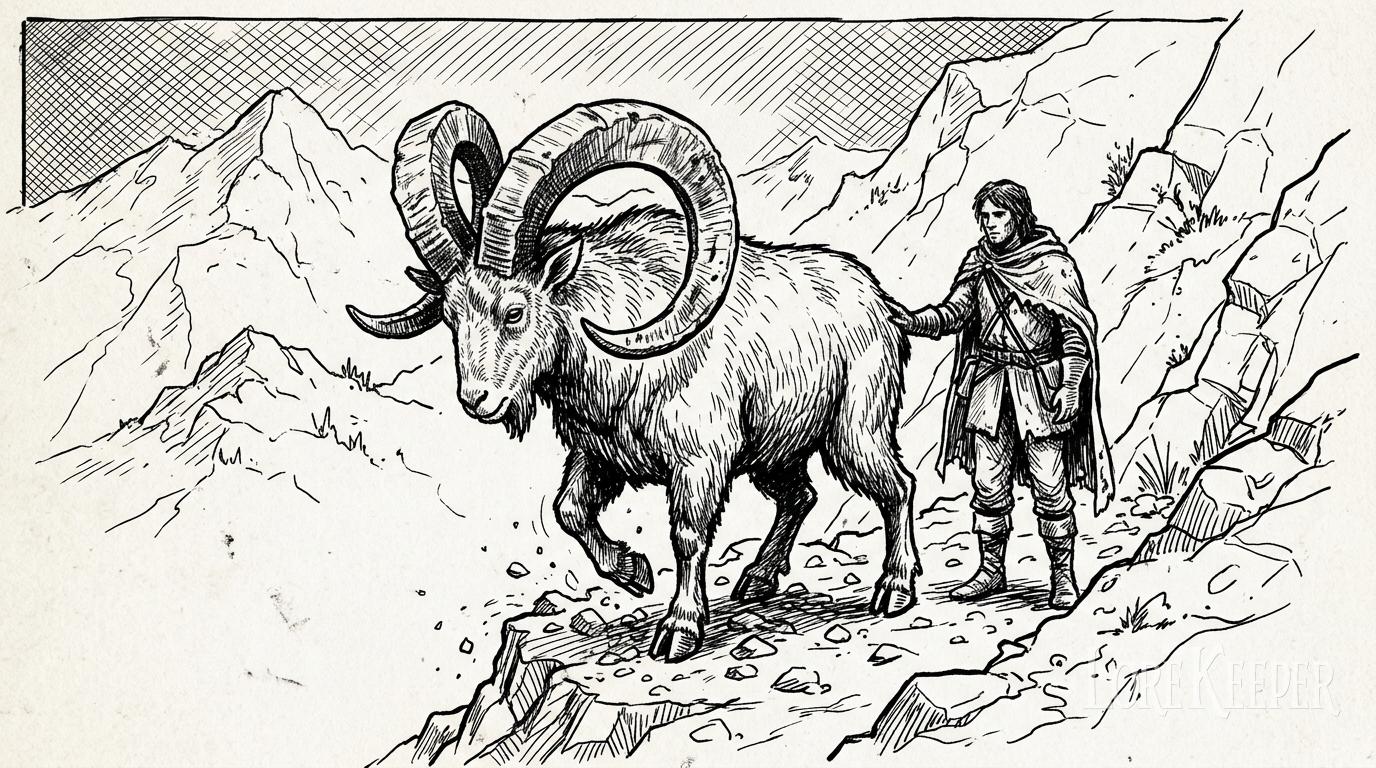
A Furrowram looks like a compact, muscular mountain goat whose twin horns have been unnaturally flattened and sharpened into gleaming ploughshare blades. It charges with machine-like determination…
Quorlin
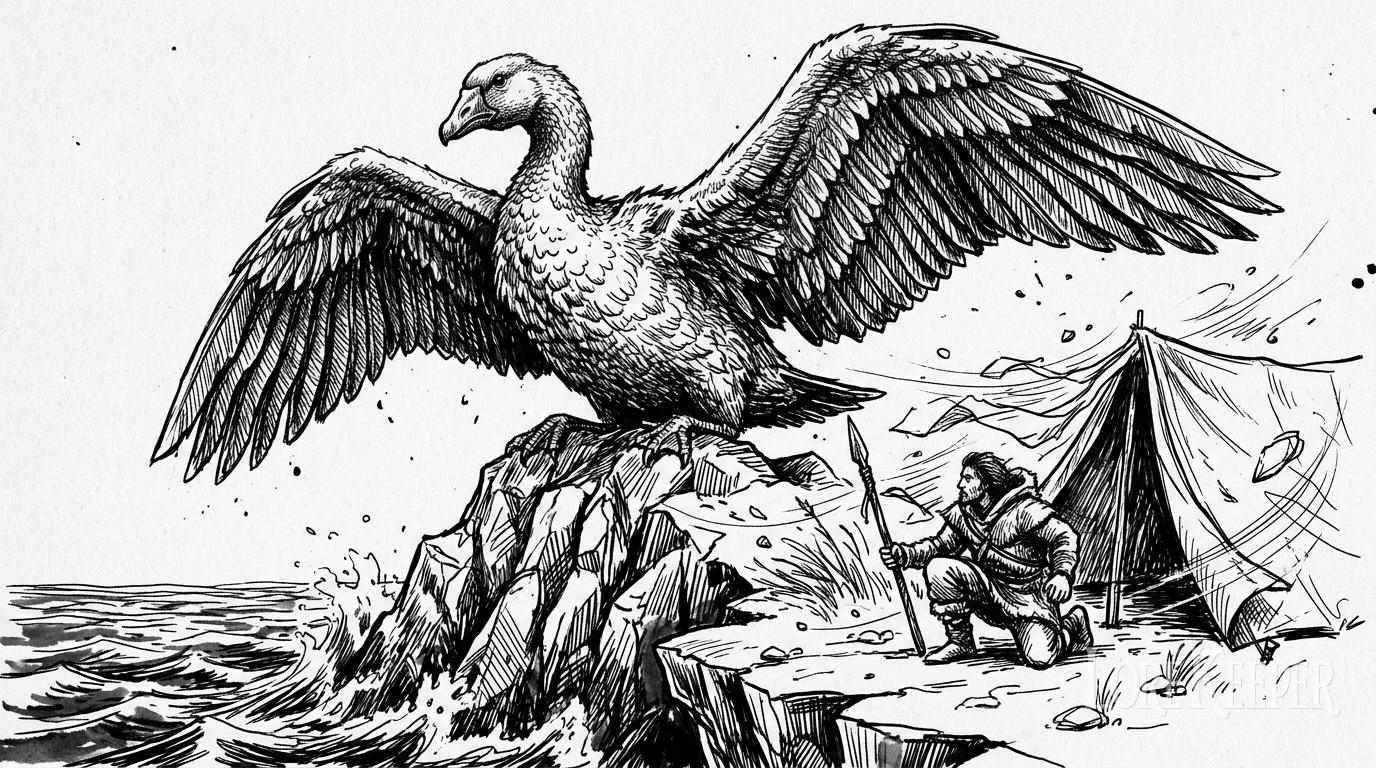
At a distance the Quorlin looks like an overlarge, immaculate goose riding the wind; up close it becomes terrifying — each beat of its enormous wings rearranges gusts as if it were carving the sky…
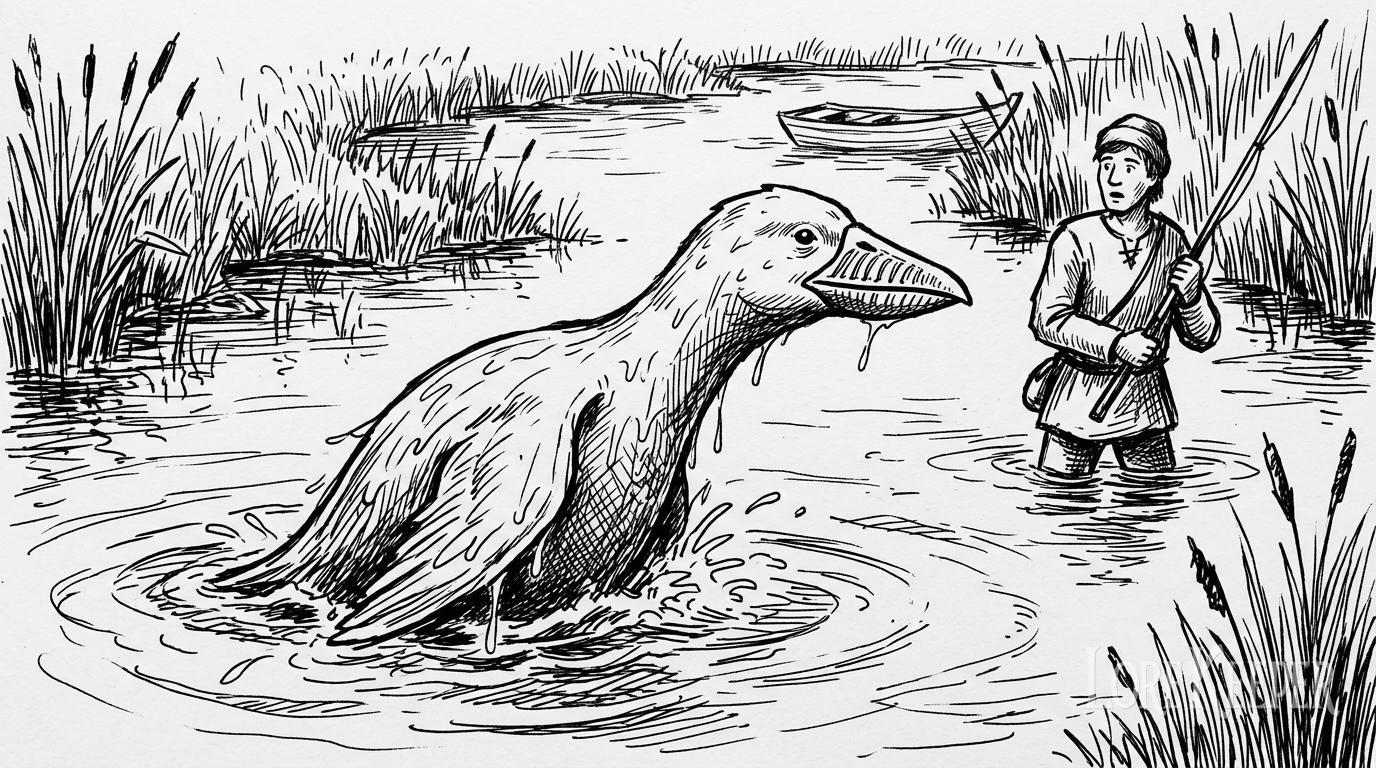
Brinegander
A Brinegander looks like an overgrown, streamlined goose born of tidal currents: its neck is whip-thin and its body flattened like a racing skiff. In the water it becomes a living bullet, jetting…
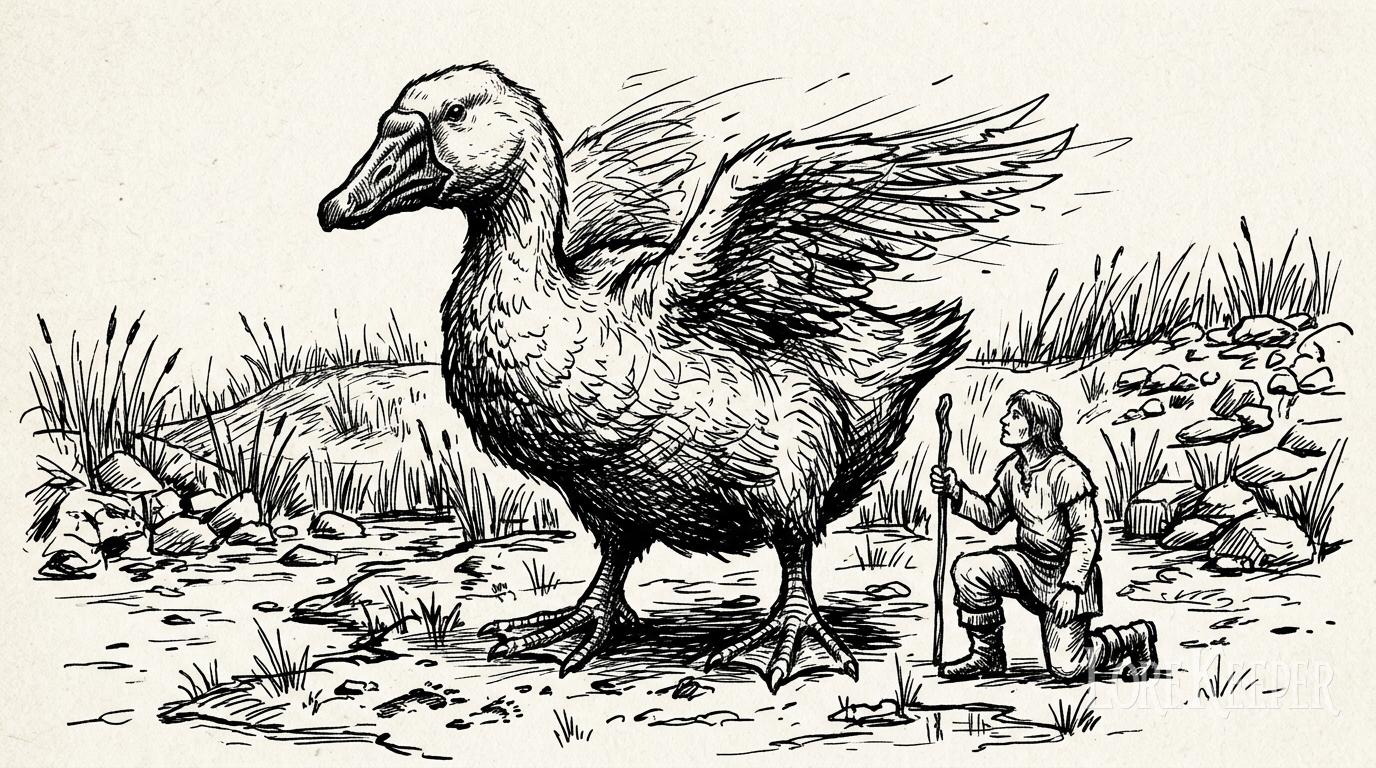
Gavress
The Gavress is a squat, heavily muscled goose the size of a warhorse, moving with surprising speed across marsh and meadow. It uses enormous wings more like battering rams than for flight, charging…
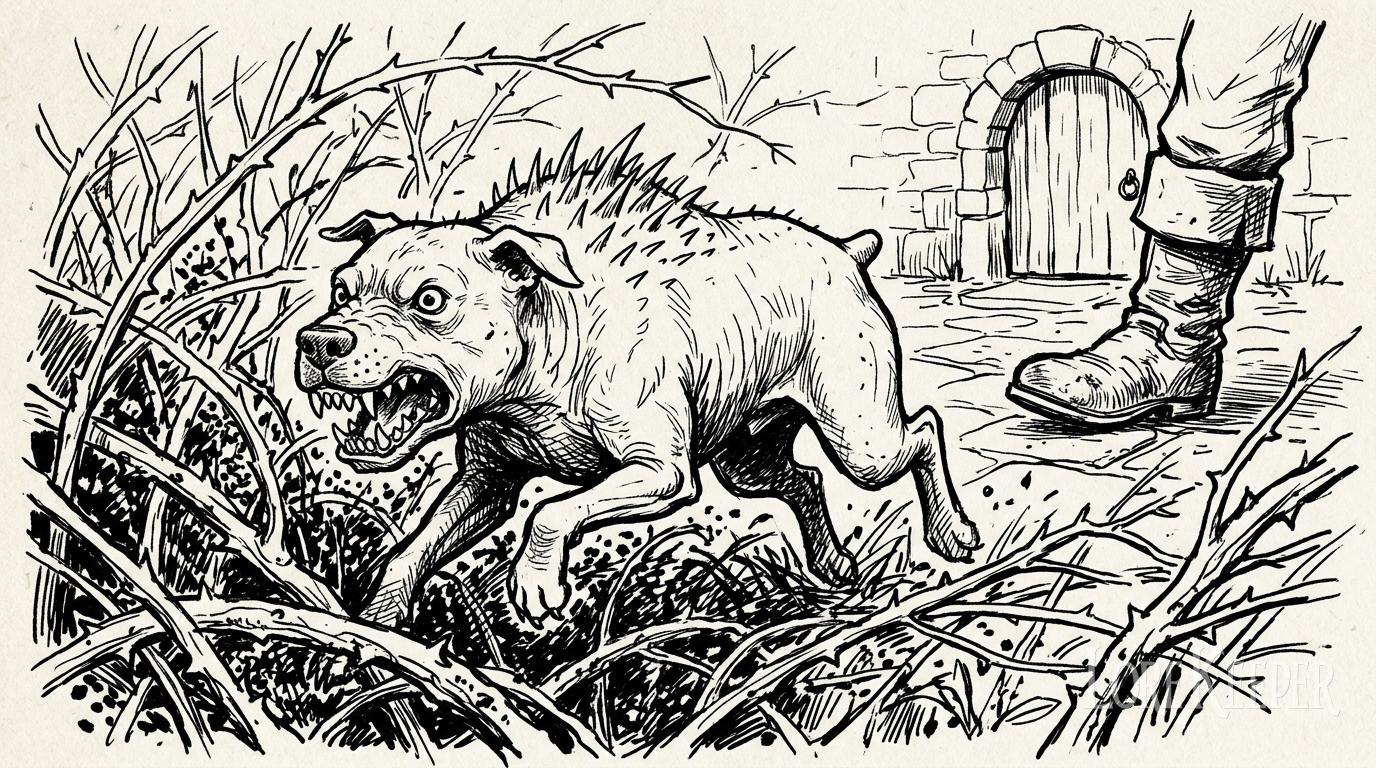
Grumbrel
A compact, hairless canid bristling with hardened keratin spines along its neck and shoulders, the Grumbrel moves with an erratic, snapping fury that makes it terrifying despite its small stature…
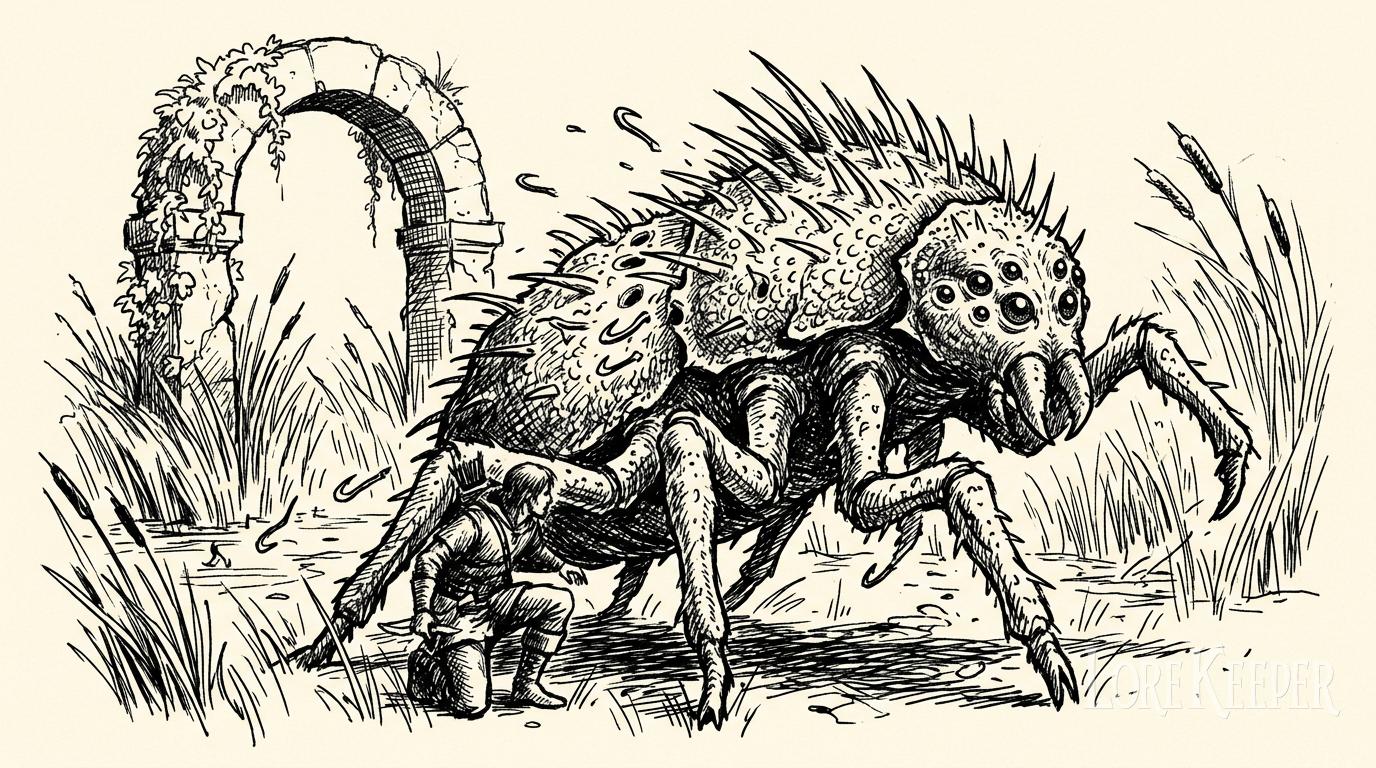
Thrennix
A low, skittering silhouette that appears the size of a warhound but impossibly angular, the Thrennix is memorable for the way its many eyes glitter like pinpricks of cold light and its body…